Чому юніор не прогресує в тенісі: що перевірити батькам
Юніор може вийти на плато попри важкі тренування, бо проблема може бути не в обсязі. Типові причини: нечіткий пріоритет, техніка, що зникає під тиском, непослідовні вказівки тренера, слабкий перенесення в матч, фізичні обмеження, невдалий графік турнірів або недостатній аналіз доказів з матчів.
Автор: Leonard Stakhovsky · Засновник, Stakhovsky Tennis ·
Девʼять питань для діагностики плато
- Чи визначена повторювана проблема в матчі одним реченням?
- Чи є базова лінія з доказів матчу?
- Чи видно поточний пріоритет у побудові сесій?
- Чи отримує гравець одне узгоджене повідомлення?
- Чи перевіряється корекція під тиском рахунку та рішень?
- Чи є визначена дата перегляду та критерій успіху?
- Графік турнірів підтримує чи приховує розвиток?
- Чи здатний гравець фізично виконати задуманий патерн?
- Чи розуміє батько, що має змінитися за наступні 30-90 днів?
Чому юніори виходять на плато - і чому це зазвичай не талант
Більшість уявних стель у юніорському тенісі - це не стелі. Це результат тренувальних систем, які тримають гравця зайнятим, не рухаючи його вперед. Повторюються три патерни.
1. Тренування, яке не переноситься
Прогрес на тренуванні має значення лише тоді, коли він витримує матч. Перенесення руйнується під зовнішнім тиском, за нечітких цілей, у немотивуючому середовищі групи або за низької інтенсивності занять. Гравець починає «відбувати номер», і це непомітно стає звичкою (Tennis Fitness).
2. Змагання випереджають розвиток
Щільний турнірний календар може залишати мало часу на нові навички. Обговоріть із тренером баланс тренувань, матчів і відпочинку. ITF наголошує на важливості щоденного тренувального середовища, а не лише участі у змаганнях (рекомендації ITF щодо розвитку гравців).
3. Недиференційована робота
Сесії, які чітко не розділяють технічні, тактичні, фізичні та психологічні пріоритети, зазвичай закріплюють те, що гравець уже робить, а не змінюють це. Вимоги тренувань і змагань до елітних юніорів тепер добре задокументовані, а невідповідні навантаження - визнаний ризик для розвитку та здоровʼя.
Саме тому першим кроком є діагностика, а не більше годин: визначте, яка з них є справжнім вузьким місцем, перш ніж витратити ще один сезон на хибній.
Коли плато насправді вигорання - ознаки, які батьки пропускають
Серія слабших результатів сама собою не означає вигорання. Запитайте дитину і про її досвід тренувань. Burnout in elite tennis players of different junior categories — матеріал для ознайомлення, а не діагноз причини в конкретного гравця.
Закономірність стійка. Юніори, які вигорають, зазвичай менше впливають на власне тренування, сильніше відчувають батьківські очікування та критику й тренуються переважно заради зовнішньої винагороди, а не власних цілей (Burnout in elite tennis players of different junior categories). Спеціалізація лише на тенісі, тобто ранній відхід від усіх інших видів спорту, підвищує вигорання за кожним показником порівняно з юніорами, які досі пробують інші види (Early sport specialization and intense training in junior tennis players (Sports Health, 2026)).
До збільшення годин перегляньте тренування, навчання й відпочинок. Early sport specialization and intense training in junior tennis players (Sports Health, 2026) розглядає дослідження, а не встановлює безпечний ліміт для кожної дитини. Біль, тривалу втому та інші проблеми здоров'я обговоріть із кваліфікованим фахівцем.
Що справді перезапускає прогрес
Застиглий гравець не потребує більшої бібліотеки вправ. Він потребує рішення, на яке єдине обмеження атакувати. Послідовність, що працює: чесна, структурована діагностика; ізолювати один технічний, тактичний, фізичний чи психологічний чинник, що коштує найбільше очок; перебудувати його під справжнім матчевим тиском; потім пересвідчитися, що він виживає в матчах, а не лише на тренуванні.
Це свідомо протилежність нарощуванню обсягу. Саме тому структурований другий погляд на повний матч, часто є першим кроком із найбільшим впливом. Саме це й пропонує дистанційний аналіз результативності юніора.
Поширені запитання
Чи нормальне плато в юніорському тенісі?
Короткі, тимчасові плато нормальні - навички закріплюються кроками, а не по прямій. Плато, що триває цілий сезон або збігається з падінням мотивації, - сигнал діагностувати причину, а не чекати.
Як довго чекати, перш ніж щось міняти?
Якщо за три-чотири місяці послідовної роботи нічого вимірюваного не зрушилося, припиніть додавати години та отримайте структурований погляд на справжнє обмеження, перш ніж ухвалювати більше, дорожче рішення.
Джерела
- Early sport specialization and intense training in junior tennis players (Sports Health, 2026).
- Burnout in elite tennis players of different junior categories, Revista Brasileira de Medicina do Esporte.
- Training transfer - tips for tennis, Tennis Fitness.
- Програма національних тренувальних центрів, ITF, 11 березня 2026 року.
- Fleming, J. A. et al. (2023). The demands of training and match-play on elite and highly trained junior tennis players: a systematic review. International Journal of Sports Science & Coaching.
Зовнішні посилання наведено для власної оцінки читача; Stakhovsky Tennis не пов’язаний з ними.
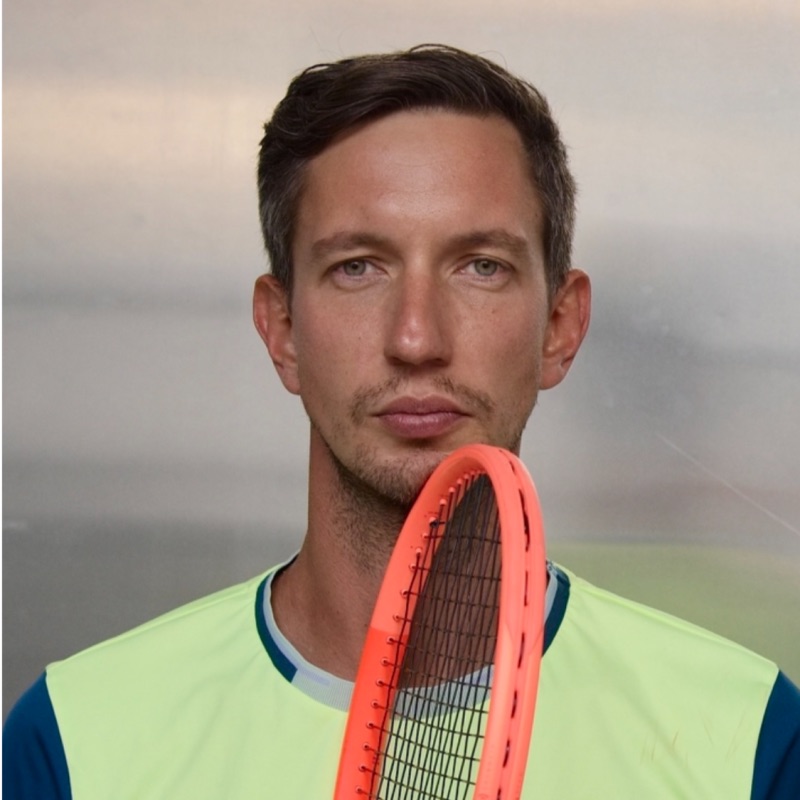
Leonard Stakhovsky
Засновник і головний тренер Stakhovsky Tennis, колишній професіонал ATP, який тренує кожного гравця особисто. Про тренера