How to Evaluate a Tennis Academy for a Competitive Junior
Choose an academy by fit, not fame alone. Evaluate the player-to-coach structure, actual access to senior coaches, training and competition balance, school and boarding, safeguarding, parent communication, measurement, total cost, and what happens when the player's progress stalls.
By Leonard Stakhovsky · Founder, Stakhovsky Tennis ·
Twelve questions parents should ask
- Who makes the key development decisions?
- How often will that person watch the player in matches?
- What is the real group size by session?
- How are individual priorities selected and reviewed?
- What evidence will show whether the program is working?
- How does the academy coordinate technical, tactical, physical, and mental work?
- What happens when two coaches disagree?
- How is match transfer measured?
- What is included and excluded from the total annual cost?
- What are the safeguarding, supervision, medical, and emergency protocols?
- How are parents informed?
- What is the exit or transition plan?
Safeguarding comes before tennis
Before anything else, confirm the safeguarding basics. Coaches working with children should hold current background checks (a DBS check in the UK), safeguarding and first-aid training, and insurance (LTA Safe to Play). Ask who the venue’s welfare officer is and how a concern is reported.
Communication with a child should run through a professional business channel, strictly about tennis, with a parent copied in. Gifts, frequent private messages, or unsupervised time outside scheduled sessions are red flags (Tennis Australia - safeguarding for parents).
How to actually evaluate an academy
Reputation is not evidence. Observe a full session - not a demonstration - and watch three things: training intensity, how coaches communicate with players, and how players behave when the coaches are not watching. Talk to current players and parents rather than relying on the brochure.
For residential programmes, check accommodation, food, study space, and supervision in person. And confirm the real student-to-coach ratio by session: a lower ratio generally means more individual attention, and it is the single most reliable predictor of whether your child will actually be seen.
The questions to ask before you commit
Reputation is not evidence. Before signing, visit during a normal training session - not a showcase - and get concrete answers to five questions:
- What is the real student-to-coach ratio in this session? Count it yourself; the marketing figure and the on-court figure often differ.
- Who coaches my child day to day - the named head coach, or a rotating assistant?
- How is progress measured, and how often is it reported to us?
- What is the physical-preparation and injury-prevention programme?
- Who is the welfare officer, what background checks do coaches hold, and what is the policy for communicating with my child?
Red flags that should end the conversation
- Guaranteed rankings, results, or “pathways to the pro tour.” No credible programme promises outcomes.
- One programme for everyone - no individual plan or diagnosis, just the same drills for every level.
- Vagueness about ratios, or about who actually coaches your child.
- Pressure to commit or pay quickly, or to relocate before anyone has assessed the player.
- Weak or evasive safeguarding answers. This one is non-negotiable (LTA Safe to Play).
Common questions
How young is too young for a full-time academy?
Most long-term development frameworks caution against early full-time specialisation. As a rule of thumb, tournament-level structure is appropriate from around age twelve, and even then with a capped schedule and a second sport (Early sport specialization and intense training in junior tennis players (Sports Health, 2026)). Relocating a younger child full-time carries real burnout and dropout risk.
Should we choose the academy with the most famous name?
Name recognition tells you about marketing, not about how your specific child will be coached day to day. A lower ratio and a named coach who actually works with your child matter more than the logo on the gate.
References
- Early sport specialization and intense training in junior tennis players (Sports Health, 2026).
- Safe to Play, LTA (Lawn Tennis Association).
- Safeguarding children - resources for parents, Tennis Australia.
External references are provided for the reader’s own evaluation; Stakhovsky Tennis is not affiliated with them.
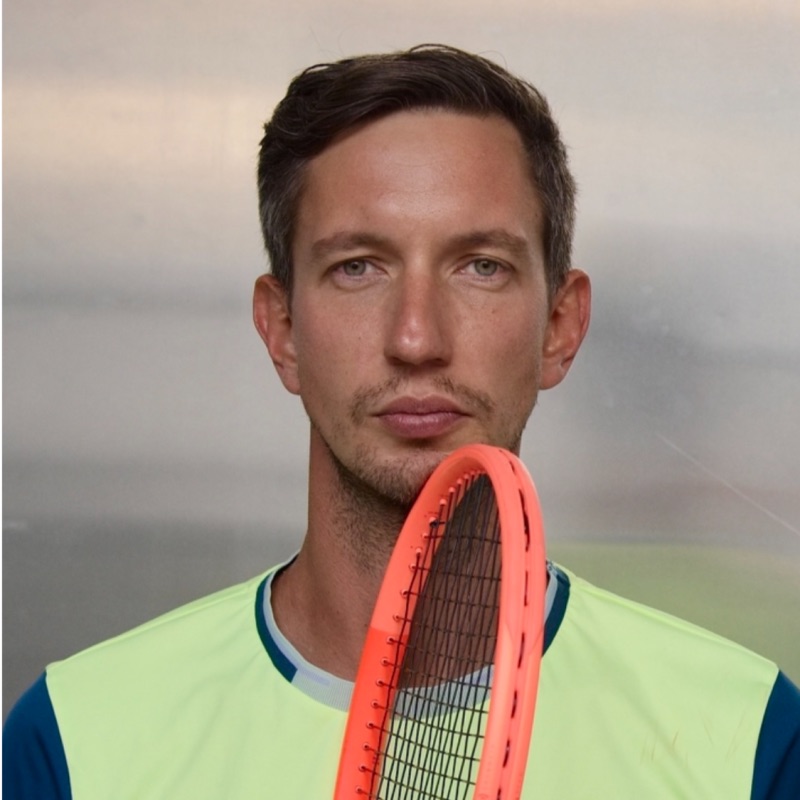
Leonard Stakhovsky
Founder and principal coach at Stakhovsky Tennis, a former ATP professional who coaches every player directly. About the coach